The Complete Guide to Year-Round Landscape Maintenance
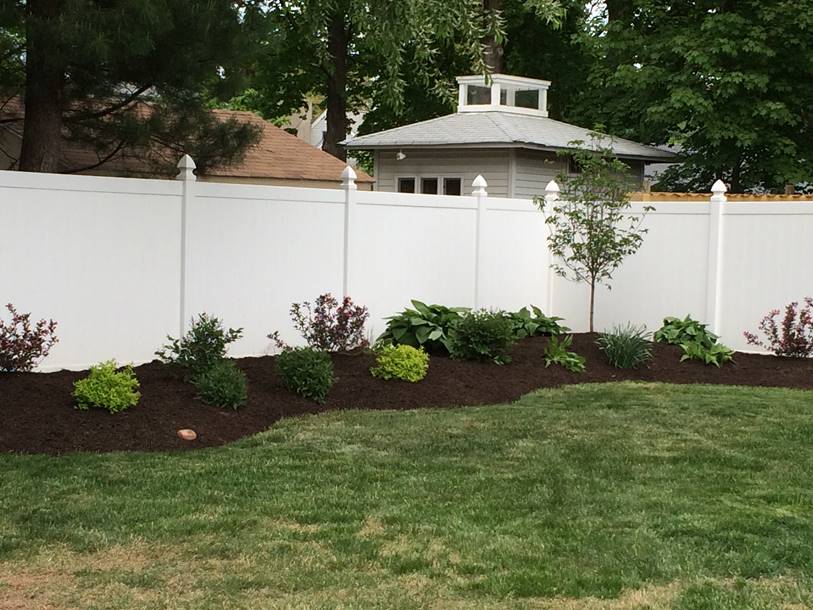
A healthy landscape rarely happens by accident. It is built through steady attention, good timing, and a clear understanding of how plants, soil, water, and weather interact over the course of a year. When people think about Landscape Maintenance, they often picture mowing, trimming, and clearing leaves. Those jobs matter, but they are only the visible layer. The real work is more strategic. It involves reading the condition of the site, anticipating seasonal stress, and making small corrections before they turn into expensive problems.
That long view is what separates a landscape that merely survives from one that matures well. A lawn can stay green for a while on frequent watering. Shrubs can hold their shape after a quick trim. Flower beds can look tidy after fresh mulch. Yet if the soil is compacted, irrigation is uneven, roots are planted too deep, or pruning happens at the wrong time, the landscape slowly loses resilience. I have seen properties that looked polished in May and exhausted by August, not because the owners lacked effort, but because the maintenance was reactive instead of seasonal.
Year-round care works differently. It respects timing. It recognizes that spring is not just for planting, summer is not just for watering, fall is not just for leaf cleanup, and winter is not a complete stop. Each season offers a narrow window for certain tasks, and missing that window can mean fighting preventable issues for months.
What year-round maintenance actually means
Landscape Maintenance is best understood as a cycle, not a checklist. Every decision in one season affects what is possible in the next. Late winter pruning influences spring growth. Spring fertilization affects summer vigor. Summer irrigation habits shape fall root health. Fall cleanup reduces disease pressure through winter and early spring.
On a practical level, this means observing the landscape regularly and adjusting care based on what the property is telling you. A full-sun lawn on sandy soil behaves differently from a shaded lawn over compacted clay. A young maple needs different care than a mature oak. Foundation shrubs near reflective brick walls dry out faster than the same species planted in an open bed. Good maintenance accounts for those site realities rather than relying on generic schedules.
It also means accepting that neatness and plant health are not always the same thing. Over-pruned shrubs can look crisp and still be stressed. Turf cut too short may appear manicured for a day and then struggle for weeks. Clean bare soil around plants can look orderly while losing moisture and inviting weeds. Professional judgment often lies in resisting the impulse to force every corner of a landscape into the same visual standard.
Start with the site, not the calendar
Before the first seasonal task begins, evaluate the property itself. This step is often skipped, especially on residential landscapes, but it saves time and money all year. Look at sun exposure, drainage, wind, foot traffic, slope, soil texture, irrigation coverage, and plant maturity. Walk the site after a hard rain. Watch where puddles linger and where water runs off too quickly. Notice whether turf thins under trees or along sidewalks that radiate heat. These patterns matter more than any generic maintenance chart.
Soil deserves special attention. Many persistent landscape problems are rooted there. Compacted soil reduces oxygen at the root zone, weakens infiltration, and limits nutrient uptake. On some properties, especially newer builds, the topsoil layer is shallow because of grading and https://maps.app.goo.gl/yt4eVTaFJanxjen28 construction traffic. You can fertilize aggressively and still see weak growth if roots do not have a healthy environment. A simple screwdriver test works surprisingly well in home landscapes. If you struggle to push it into moist soil, compaction is probably part of the problem.
It also helps to divide the property into maintenance zones. Turf, ornamental beds, trees, annual color, hardscape edges, and irrigation all age differently and demand different timing. Treating the entire landscape as one uniform area usually leads to overwork in some places and neglect in others.
Spring is for recovery, correction, and restraint
Spring brings energy to a property. It also tempts people to do too much too fast. The smartest spring maintenance begins with cleanup and assessment rather than immediate feeding and heavy planting.
Remove winter debris, but do it carefully. In perennial beds, waiting until temperatures settle can protect beneficial insects and prevent early frost damage to tender new shoots. On lawns, rake only as aggressively as needed to remove matted material and improve air flow. I have seen more than a few spring lawns damaged by enthusiastic cleanup that tore into soft crowns and exposed thin areas before active growth had fully started.
Pruning in spring requires species awareness. Dead, damaged, or crossing branches can usually be removed at once. Flowering shrubs are more nuanced. Plants that bloom on old wood, such as many lilacs and some hydrangeas, should not be heavily pruned before flowering or the display will be reduced. Shrubs that bloom on new wood can often be shaped earlier. This is one of the places where maintenance timing directly affects the result people care about most.
Lawn care in spring should focus on root development, not cosmetic speed. Mowing begins as growth starts, but avoid cutting too short. Scalping a lawn in spring invites weed pressure and stresses turf before summer heat arrives. If aeration is needed, timing depends on turf type and region. Cool-season lawns often benefit from fall aeration more than spring, while some warm-season lawns respond well as active growth begins. Overseeding, fertilization, and weed control also need to align with climate, turf species, and existing lawn health. Blanket advice does more harm than good here.
Spring is also the season to review irrigation. Broken heads, misaligned spray patterns, and clogged nozzles are easy to miss until dry spots appear. Run each zone long enough to verify head-to-head coverage and look for runoff on slopes. A system can technically function and still water inefficiently. One common problem is overspray onto pavement, which wastes water and leaves adjacent planting beds too dry.
Summer tests the strength of every earlier decision
By summer, the landscape stops forgiving mistakes. Heat, intense sunlight, wind, and heavy use reveal whether the root systems are strong, mulch is doing its job, and irrigation is reaching the right depth.
Watering is usually the central issue. Deep, infrequent irrigation generally encourages stronger roots than light daily watering. Still, the right schedule depends on soil type, slope, plant age, and weather. Sandy soils drain quickly and may require shorter, more frequent cycles. Clay soils hold water longer but are more prone to runoff if watered too fast. Newly planted trees and shrubs need more consistent moisture than established material, yet they also suffer if the root ball stays saturated. The phrase “water deeply” sounds simple, but on an actual property it means checking moisture several inches below the surface and adjusting based on real conditions.
Mulch becomes especially valuable in summer. A proper layer moderates soil temperature, slows evaporation, and suppresses weeds that compete for moisture. Most beds respond well to a layer around two to three inches deep. More is not always better. Piling mulch against trunks and stems traps moisture where it should not sit and can encourage decay, pests, and weak surface roots. Mulch volcanoes remain one of the most common landscape mistakes because they look intentional from a distance, even though they are harmful over time.
Summer pruning should be selective. Remove storm damage, suckers, watersprouts, and clearly wayward growth, but avoid heavy shearing during extreme heat. Repeated shearing often creates a dense outer shell that shades the plant interior, leading to bare wood inside and a constant need for artificial shaping. When possible, thinning cuts are healthier than constant surface clipping.
Weed pressure also changes in summer. A few weeds after rain are normal. A persistent flush often points to a maintenance gap such as thin turf, sparse groundcover, exposed soil, or irrigation overspray. Pulling or treating weeds without addressing that underlying condition is a temporary fix at best.
For annual flowers and containers, summer is a season of constant negotiation. Deadheading, feeding, and irrigation keep displays presentable, but there comes a point when replacement is more efficient than rescue. Professional maintenance includes knowing when to stop investing labor in plantings that have already peaked.
Fall is the most undervalued season in the landscape
If spring feels exciting, fall is where much of the serious work gets done. Soil is still warm, air temperatures are easing, and many plants shift energy into root growth. This makes fall one of the strongest seasons for improving long-term landscape health.
For many lawns, especially cool-season turf, fall is the prime window for core aeration, overseeding, and fertilization. Recovery is faster, weed competition is often lower, and cooler weather reduces stress on young seedlings. Some of the best lawn renovations I have seen happened in early fall after a disappointing summer, simply because the conditions finally favored root establishment.
Trees and shrubs also benefit from fall attention. Planting in fall can be excellent in many regions because roots have time to establish before the next heat cycle. Watering still matters, of course. A common mistake is assuming cooler weather removes the need for irrigation. Newly installed material should not go into winter dry.
Leaf management deserves more nuance than it usually gets. A thick layer of wet leaves on turf can smother grass and encourage disease, so removal or mulching is important. In planting beds, though, shredded leaves can act as useful organic matter if they are not piled excessively on crowns and stems. The right approach depends on where the leaves land and what lies underneath them.
Fall is also the season to clean up disease reservoirs. Spent annuals, infected foliage, and decaying fruit should not be left in place if they contributed to fungal or insect problems during the growing season. This is one of those quiet maintenance tasks that pays off months later. A cleaner fall bed often means a calmer spring start.
Here are five fall tasks that offer unusually high return for the time spent:
- Aerate compacted lawn areas where foot traffic was heavy through summer.
- Overseed thin turf while soil temperatures still support germination.
- Refresh mulch only after removing weeds and correcting drainage issues.
- Water trees and shrubs deeply before the ground freezes, especially recent plantings.
- Inspect drains, downspouts, and low spots so winter moisture does not pool around roots or hardscape.
Winter is quieter, not irrelevant
Many landscapes enter winter looking dormant but still needing oversight. This is when structural work, planning, and prevention move to the foreground.
Pruning certain trees in winter can be ideal because branch structure is easier to see and disease pressure may be lower, depending on species and local conditions. It is also a good time to remove hazardous limbs before snow, ice, and wind turn a weak branch into a costly emergency. On larger properties, winter is often when deferred tree work finally becomes practical because visibility improves and ground disturbance can be easier to manage under the right conditions.
Evergreens need particular attention before and during winter. They continue losing moisture through needles and leaves, especially in windy, exposed sites. If they entered winter already dry, desiccation injury becomes more likely. Anti-desiccant products are sometimes used, but they are not a substitute for proper fall watering and sensible siting.
Hardscape maintenance also belongs in the winter conversation. Freeze-thaw cycles expose small drainage failures, heaving pavers, cracked edging, and areas where soil washout has undercut walkways. These issues often begin as minor defects and become major repairs if ignored. Winter is when you notice whether water is moving where it should.
Snow management can damage landscapes more than people expect. Piled snow laced with road salt kills turf edges and burns shrubs near driveways. Repeated plow pressure breaks branch tips and compacts thawing soil. Even where salt use is light, snow storage should be planned so meltwater does not flood beds repeatedly. The cost of replacing a row of salt-damaged evergreens is a sharp reminder that winter maintenance is part of Landscape Maintenance, not separate from it.
The difference between maintenance and over-maintenance
One of the hardest lessons in landscape care is that more effort is not always better. Overwatering is a classic example. So is pruning every shrub into the same rounded form because it seems tidy. Some of the least healthy landscapes I have worked around were maintained constantly, but not thoughtfully.
Plants have natural habits, seasonal rhythms, and tolerances. A formal hedge can justify regular shearing. A broad, arching shrub usually should not be forced into a rigid ball. A high-performance athletic lawn can require a different fertility and mowing program than a family backyard. Maintenance should fit the purpose of the space.
This is also where budgets matter. Most clients do not have unlimited time or money, and pretending otherwise leads to poor decisions. If resources are tight, prioritize tree health, drainage, irrigation function, safe access, and weed suppression. Fancy seasonal color can wait. A mature tree saved by proper watering and mulching often adds more long-term value than several rounds of decorative planting.
Common trouble spots that deserve early attention
Certain areas fail repeatedly on otherwise well-kept properties. The issue is rarely bad luck. It is usually a mismatch between site conditions and maintenance habits.
Foundation beds dry out faster because of roof overhangs and reflected heat. Narrow turf strips near pavement often suffer from heat stress and poor irrigation coverage. Tree roots compete heavily with grass, making a lush lawn under mature canopies unrealistic in many sites. Low spots collect runoff and stay saturated, which weakens roots and encourages disease. Once you identify these recurring weak points, maintenance becomes more efficient because you stop treating symptoms as isolated events.
A simple seasonal walkthrough can catch most problems before they expand:
- Look up for broken branches, crossing limbs, and canopy dieback.
- Look down for erosion, exposed roots, standing water, and thin mulch.
- Check irrigation coverage and drainage after real weather, not just on a dry day.
- Note repeat weed patches, which usually point to a cultural issue.
- Compare plant size to planting space before pruning turns into perpetual correction.
When to repair, when to replace
Not every struggling plant should be saved. This can be a difficult judgment call, especially when the plant has sentimental value or was expensive to install. Still, there are times when replacement is the sounder maintenance decision.
If a shrub outgrows its space every season and requires constant hard pruning, it is probably the wrong plant for that location. If turf fails year after year in dense shade, groundcover or mulched beds may perform better. If a tree was planted too deeply and now shows chronic decline, repeated treatment may only delay the inevitable. Good Landscape Maintenance includes honest evaluation. Sometimes the most professional choice is to stop forcing a poor match.
Replacement decisions should consider mature size, water demand, disease resistance, and the actual microclimate of the site. A plant that thrives on one side of the property can fail on the other because of wind exposure, drainage, or afternoon heat. Matching plant to place is still the best maintenance strategy available.
Building a realistic annual rhythm
The most sustainable landscapes are maintained on a rhythm that people can actually follow. That may mean weekly mowing in active growth periods, monthly bed checks, irrigation audits at the start of each warm season, and larger corrective work in fall and winter. It does not require constant intervention. It requires consistency.
For homeowners, that usually means deciding which tasks demand close attention and which can be simplified. For property managers, it means setting standards that support plant health, not just immediate appearance. For maintenance crews, it means training staff to observe and report, not merely perform repetitive tasks. A sharp crew member who notices chlorosis, girdling roots, or poor drainage before failure occurs is worth far more than someone who trims every edge perfectly while missing structural decline.
Landscapes age. Trees cast deeper shade, shrubs widen, irrigation parts wear out, soil settles, and traffic patterns shift. Year-round maintenance works because it responds to that gradual change. It is less about chasing perfection and more about preserving function, health, and visual coherence across the seasons.
A landscape that looks strong in every month is rarely the one that receives the most dramatic bursts of attention. It is the one cared for steadily, with good timing and clear judgment. That is the real foundation of year-round Landscape Maintenance.
Majestic Mowing & Landscaping LLC
Phone number: +19733975532
FAQ About Landscape Maintenance
What is landscape maintenance?
Landscape maintenance is the ongoing care, cleaning, and upkeep of outdoor green spaces to keep them healthy, safe, and attractive.
Is $100 an hour too much for landscape work?
An hourly rate of $100 is not too much for specialized or professional landscape work, though it sits at the higher end of the standard pricing spectrum.
How much do landscapers charge for maintenance?
For professional landscaping maintenance, homeowners typically pay $100 to $410 per month for recurring services, or an hourly labor rate of $50 to $100 per hour per crew member.